

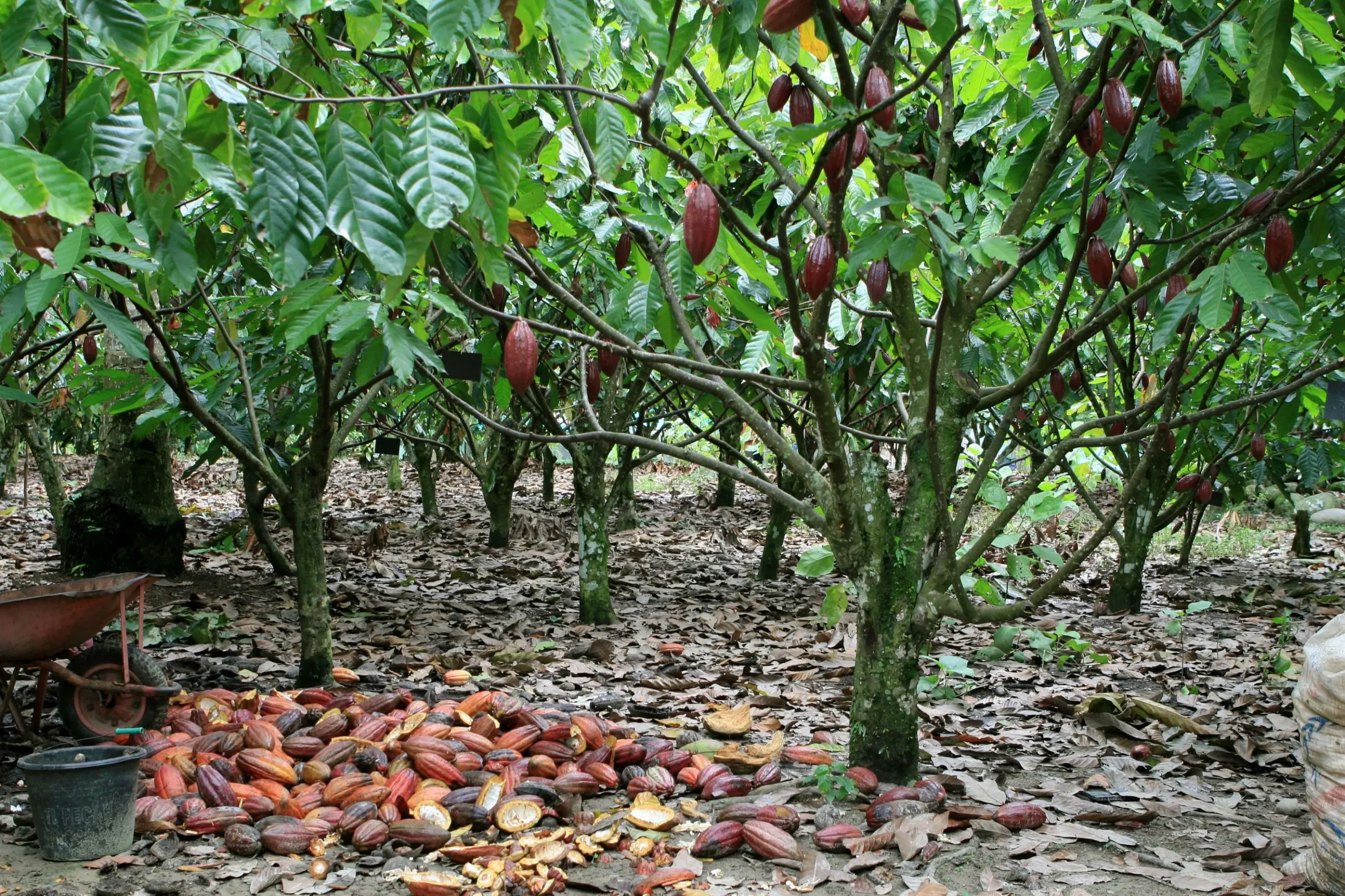
Indonesia, the world’s third-largest cocoa producer, is sharpening its competitive edge amid rising global demand, farmer rejuvenation efforts, and sustainability initiatives. Though market volatility and climate challenges persist, the industry remains primed for long-term transformation and foreign investment.
Sector Overview and Production Trends
Indonesia produces approximately 465,000 metric tons of cocoa per year, up significantly from the 290,000 metric tons recorded a decade ago. Key production regions include Sulawesi, Sumatra, and Papua, where improved cultivation techniques and hybrid tree replanting are gradually boosting yields.
While raw cocoa bean exports stood at around USD 78 million in 2023, Indonesia’s value-added exports—including cocoa powder, liquor, and butter—have exceeded USD 1 billion annually, with shipments reaching over 90 international markets.
Key Growth Drivers
1. Expansion of Cocoa Processing
Indonesia is now the world’s third-largest cocoa processor, following Ivory Coast and the Netherlands. Major global firms and local players have invested in grinding facilities that add domestic value and reduce reliance on volatile raw exports.
2. Replanting and Farmer Training
Many cocoa trees in Indonesia are over 20 years old. Replanting initiatives using high-yield hybrids, combined with government and NGO-supported farmer training, are boosting productivity and crop resilience.
3. Sustainable Certification and Traceability
Programs like the Sustainable Cocoa Production Program (SCPP) and TRACTIONS are helping farmers meet sustainability standards, reduce emissions, and improve incomes through better farm practices.
4. Global Supply Shortages
Poor weather and crop disease in West Africa have created global cocoa shortages, sending prices soaring and turning buyers’ attention toward Asian suppliers like Indonesia.
Ongoing Challenges
1. Price Volatility
Following a record high in 2024, cocoa prices are expected to normalize in 2025–26 as global supply balances improve. Indonesian farmers may face lower incomes unless productivity continues rising.
2. Climate and Disease Pressure
Rising temperatures, excessive rainfall, and fungal diseases pose growing risks. Investment in climate-smart farming, shade-growing techniques, and pest control is critical.
3. Certification and Compliance Gaps
Many smallholder farmers still lack access to certification and traceability platforms, limiting their ability to tap into premium export markets demanding ethical sourcing.
4. Infrastructure and Logistics
Transport costs and inconsistent supply chains continue to limit Indonesia’s competitiveness, especially when compared to more connected producers in Latin America.
Opportunities for Investors
1. Processing and Manufacturing Plants
Indonesia’s growing grinding capacity and government incentives offer opportunities for joint ventures in cocoa processing, chocolate manufacturing, and downstream product development.
2. Seedling Supply and Training Services
High demand exists for hybrid seedlings and technical advisory services as the government targets replanting millions of aging trees in the next 3–5 years.
3. Premium and Bean-to-Bar Ventures
A growing global market for artisan and sustainable chocolate opens doors for foreign investors to collaborate with Indonesian cooperatives and premium brands.
4. ESG and Sustainability Projects
Investors can support farmer cooperatives in obtaining sustainable certification, launching traceability platforms, and developing carbon-reducing agroforestry systems.
Short- and Medium-Term Outlook
2025 Outlook:
Cocoa prices are expected to moderate following 2024’s surge. Indonesian exporters may face tighter margins unless they can increase processing volumes and access higher-value markets.
2026–2027 Outlook:
If Indonesia successfully scales its replanting, sustainability, and value-added processing programs, the industry could grow exports by 6–8% annually and expand its share in premium and ethical chocolate supply chains.
Conclusion
Indonesia’s cocoa industry is entering a phase of structural transition. With a mix of traditional strength and strategic modern investment, the country is moving up the value chain—from bulk commodity exporter to a center for sustainable, high-quality cocoa processing.
For investors, Indonesia presents a compelling opportunity to engage in a globally significant, fast-evolving sector that aligns with sustainability goals, ethical sourcing demands, and growing consumer appetite for premium chocolate.