

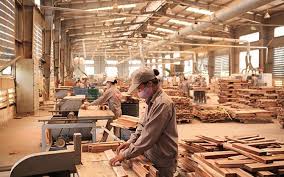
Indonesia’s wooden furniture industry, long known for its craftsmanship, biodiversity of materials, and export competitiveness, continues to hold a strong position in global markets despite emerging headwinds. With rising demand for sustainable products, the sector is evolving—offering both opportunities and risks for domestic producers and foreign investors alike.
Sector Overview
Indonesia is one of the world’s top 10 exporters of wooden furniture, supported by abundant natural resources, a centuries-old tradition of woodworking, and a large labor force skilled in hand-crafted and semi-industrial production.
-
The country exported approximately USD 2.2 billion in wooden furniture in 2024.
-
Major markets include the United States, Japan, the European Union, Australia, and South Korea.
-
The main production hubs are in Central Java (Jepara, Semarang), East Java (Pasuruan, Surabaya), and West Java (Sukabumi, Bekasi).
The industry employs over 500,000 people directly, with many more in the extended value chain, including sawmills, logistics, and finishing.
Strengths of the Industry
1. Access to Sustainable Materials
Indonesia’s forests produce a wide range of high-quality hardwoods such as teak, mahogany, acacia, and mindi. Certified sustainable sources (e.g., SVLK and FSC) are increasingly available, aligning with international eco-certification requirements.
2. Competitive Labor and Craftsmanship
Compared to Vietnam and China, Indonesia offers a strong blend of skilled artisanship at a lower wage cost. Traditional carving, joinery, and finishing techniques remain highly sought-after in premium export markets.
3. Design Adaptability
Manufacturers are increasingly adopting modern, minimalist, and Scandinavian-style design trends while maintaining traditional offerings. This allows access to both high-end boutique markets and mass retail supply chains.
Challenges and Industry Headwinds
1. Raw Material Regulation and Deforestation Controls
Strict government rules on timber harvesting, forest management, and replanting programs have increased production costs and reduced access to low-cost raw wood. Although essential for sustainability, this has narrowed supplier margins.
2. Global Economic Pressures and Tariffs
The U.S. tariff announcements in early 2025, which include a potential 32% duty on wooden furniture imports from Indonesia, have shaken confidence across the industry. Many exporters are now seeking to reroute sales to non-U.S. markets or renegotiate long-term contracts.
3. Informal Sector Dominance
A large share of production is still carried out by small-scale and informal enterprises that lack access to export financing, design development, and sustainable certification schemes. This reduces overall sector efficiency and limits scalability.
4. Logistics and Infrastructure Bottlenecks
Though improving, transport costs and delivery timelines are still less competitive than in Vietnam or Thailand. Congestion at port cities like Tanjung Priok remains a challenge for just-in-time delivery models.
Government Support and Policy Initiatives
The Indonesian government has prioritized the furniture industry within its “Making Indonesia 4.0” roadmap. Key initiatives include:
-
Tax incentives for export-oriented SMEs.
-
SVLK (Indonesian Timber Legality Assurance System) expansion and digitalization.
-
Increased access to low-interest financing for sustainable furniture producers.
-
Development of furniture industry clusters and innovation centers in Central Java.
In 2024–2025, government-backed programs helped over 1,200 SMEs gain international certification and participate in trade expos in Germany, Dubai, Japan, and the U.S.
Investment Opportunities
1. Joint Ventures and Contract Manufacturing
Foreign buyers and brands increasingly seek reliable Indonesian partners for OEM and ODM production. The combination of scalable manufacturing and artisanal detail is appealing to lifestyle and homeware brands.
2. Eco-Friendly Furniture Lines
Demand for certified, sustainable, and recycled-wood furniture is growing, especially in Europe and North America. There is significant potential to invest in green design, eco-friendly finishes, and biodegradable packaging solutions.
3. E-commerce and Direct-to-Consumer (DTC) Channels
A new generation of digital-savvy entrepreneurs in Indonesia are building online brands with global reach. Investors can support scale-up through funding, logistics tech, and cross-border payment solutions.
4. Furniture Parks and Smart Clusters
Industrial zones in Jepara, Kendal, and Batang Regency offer plug-and-play infrastructure with access to logistics hubs and bonded warehouses. Investors can benefit from tax breaks and simplified licensing.
Market Outlook 2025–2027
-
Short-Term: Export growth will remain under pressure due to global demand fluctuations and trade friction with the U.S. However, diversification toward European, Asian, and Middle Eastern markets may help cushion the impact.
-
Medium-Term: If Indonesia can continue its transition toward higher-value, sustainable, and design-driven products, the sector could grow by 6–8% annually. Modernization and digital transformation are key to unlocking this potential.
Conclusion
Indonesia’s wooden furniture industry sits at the intersection of tradition and transformation. With high-quality resources, skilled labor, and growing policy support, it remains a globally competitive sector. However, long-term success depends on navigating sustainability demands, improving operational efficiency, and adapting to shifting global trade dynamics.
For foreign investors and buyers, now is a critical moment to establish or deepen partnerships with Indonesian producers—particularly those ready to innovate, certify, and grow into global markets.